Independent dressing and physical limitations:
To enable self-dressing, it's essential to initially determine a position where the child can maintain balance, which could be even in a lying down posture.
In cases where the child tends to lift their feet and topple backward when raising their hands, it's crucial to have a chair that provides back support to prevent falling.
When teaching a child to dress themselves, it's equally crucial to guide them in grasping objects with their hands while maintaining balance — specific exercises involving rings can be beneficial for this.
Equipping the child with the skill to visually track their hand movements, essentially understanding their own actions, is vital.
Above all, it's important to ensure that the process is stress-free for both you and the child, avoiding any coercion or manipulation.
In cases where the child tends to lift their feet and topple backward when raising their hands, it's crucial to have a chair that provides back support to prevent falling.
When teaching a child to dress themselves, it's equally crucial to guide them in grasping objects with their hands while maintaining balance — specific exercises involving rings can be beneficial for this.
Equipping the child with the skill to visually track their hand movements, essentially understanding their own actions, is vital.
Above all, it's important to ensure that the process is stress-free for both you and the child, avoiding any coercion or manipulation.
IMPORTANT!
Apparel should be designed for easy wearability, incorporating extra loops or ribbons for grip, a wider neckline, and practical fastenings.
The conventional method of dressing a non-disabled child might not be suitable for a child with disabilities. For instance, a shirt can be donned while seated by first positioning it on the knees, then sliding the arms in, and finally pulling it over the head.
The conventional method of dressing a non-disabled child might not be suitable for a child with disabilities. For instance, a shirt can be donned while seated by first positioning it on the knees, then sliding the arms in, and finally pulling it over the head.
Let's talk about clothing:
Socks
To simplify the process of putting on socks, you can attach loops to the sides. This will provide the child with an easier grip, allowing them to pull the sock up more comfortably. Additionally, such specially designed socks are available for purchase at certain outlets, such as:
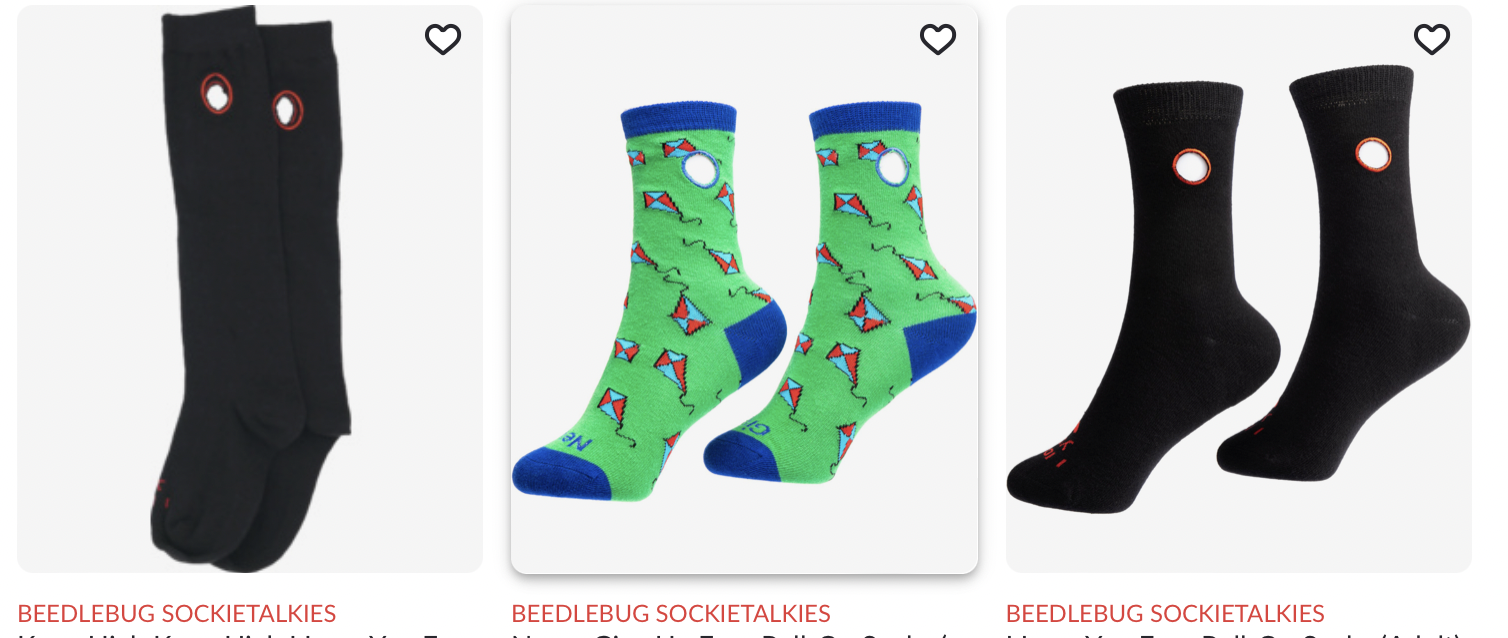
Beedlebug socks buy here
- Consider adding loops to the sides of the socks to facilitate grip and pulling for the child.
- Explore specially designed adaptive socks available on the market that come with these features.
Shoes
Opt for shoes featuring Velcro closures that allow them to open completely, making it simpler to insert a spastic foot. Brands like Adidas, Nike, and Zappos offer such models.
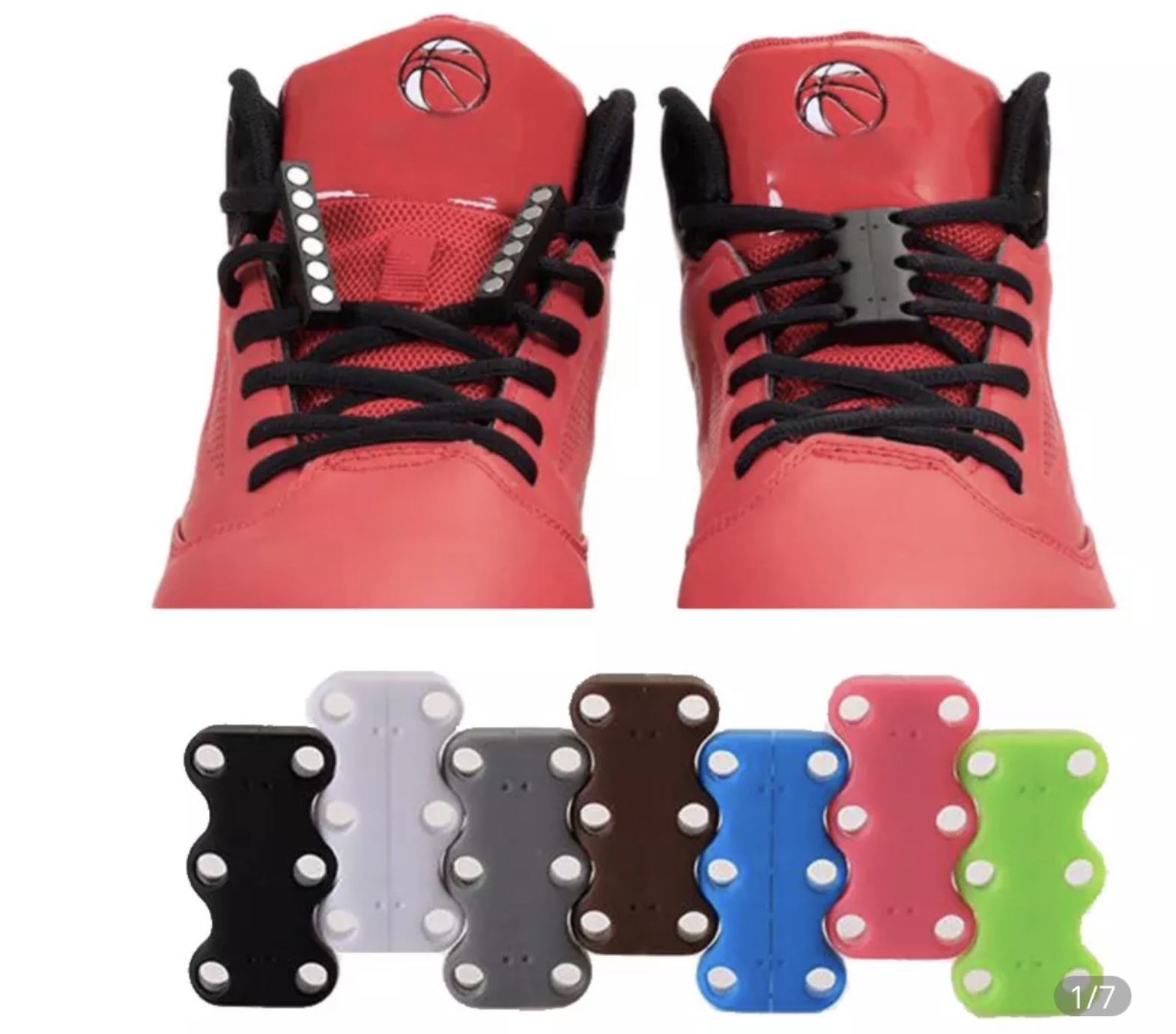
Laces can be substituted with elastic or magnetic alternatives, which are available for purchase on Aliexpress, Amazon, Zappos, Target, ULace
Laces can be substituted with elastic or magnetic alternatives, which are available for purchase on Aliexpress, Amazon, Zappos, Target, ULace
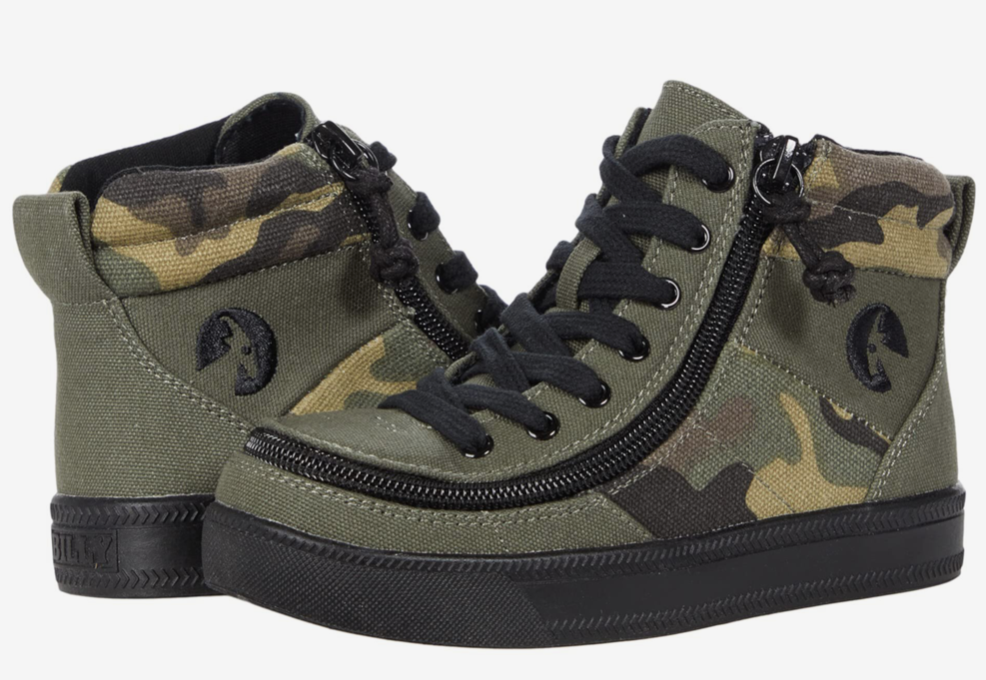
Shoes that fully unbuckle, like those from Billy shoes are designed with a perimeter opening around the foot. This feature makes them convenient for fitting orthoses or other devices and are particularly suitable for spastic feet.
Footwear that eliminates the need for buckling or any hand involvement includes the Nike FlyEase sneaker range. These shoes are specifically crafted to be worn with devices on the foot, and Nike offers a diverse selection of models in this line.
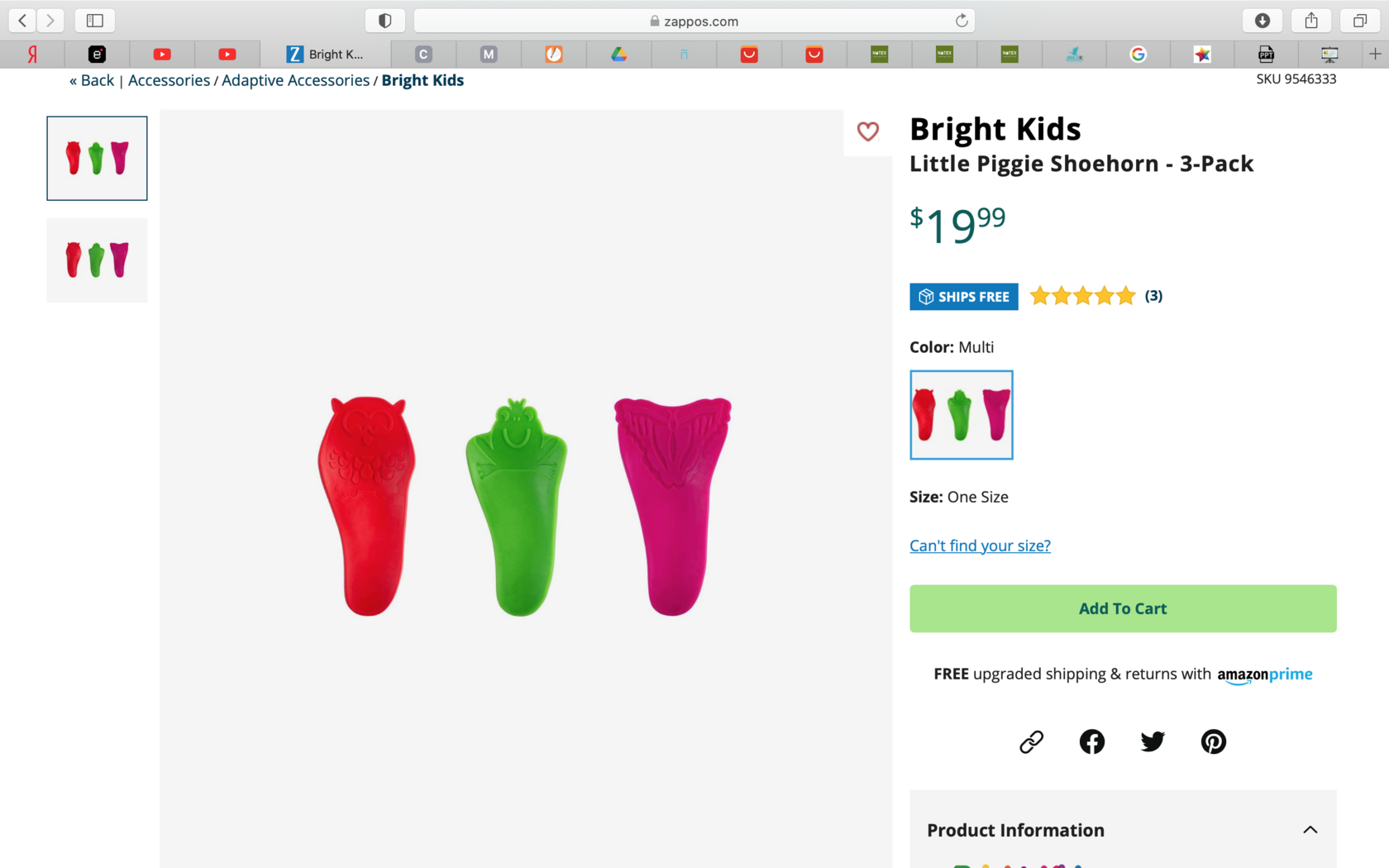
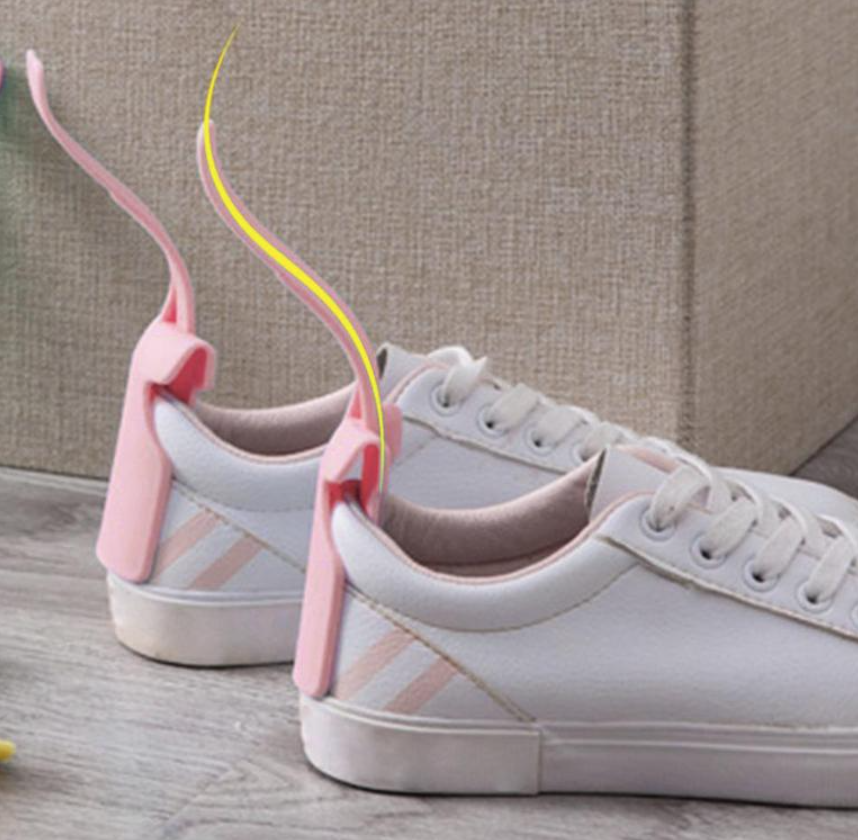
Shoe horns and special accessories designed for ease of putting on shoes are available for purchase across various marketplaces.
- Choose shoes with Velcro closures that open fully, making it easier to insert a spastic foot.
- Consider shoes with elastic or magnetic laces for ease of use.
- Look for fully unbuckling shoes, ideal for spastic feet or for wearing over orthoses.
- Explore models like Nike FlyEase, designed for ease of wear with foot devices.
- Utilize shoe spoons and special attachments for comfortable shoe wearing.
Trousers
If your child struggles with fine motor skills, opt for pants with an elastic waistband.
To aid in dressing with spastic hands, consider sewing tabs on the sides of the waist that the child can grasp and use to pull up the pants.
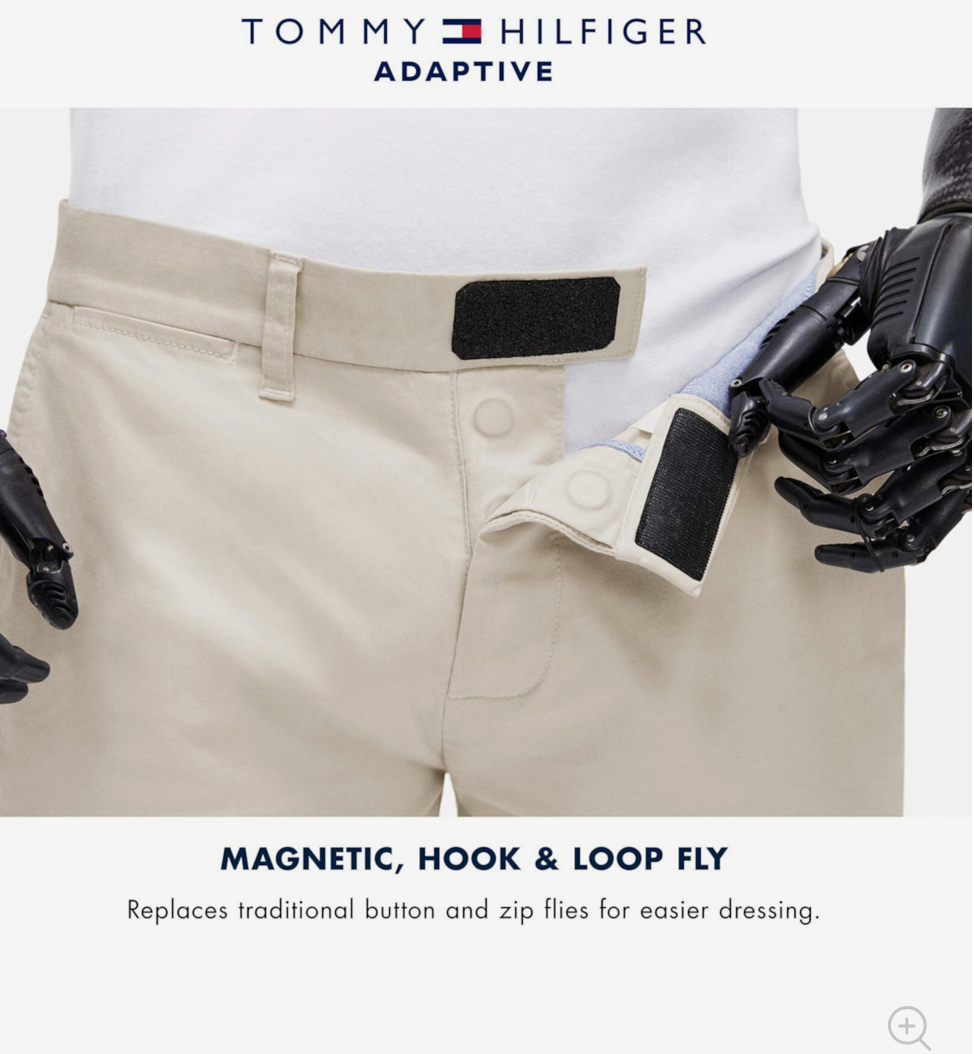
The fly should ideally be secured with Velcro or magnets, making it easier for the child to open and close it for independent dressing. It's best to steer clear of zippers, as they can be challenging to fasten for those with limited motor skills. Buttons should also be avoided.
Pants featuring a Velcro fly are available here.
To aid in dressing with spastic hands, consider sewing tabs on the sides of the waist that the child can grasp and use to pull up the pants.
The fly should ideally be secured with Velcro or magnets, making it easier for the child to open and close it for independent dressing. It's best to steer clear of zippers, as they can be challenging to fasten for those with limited motor skills. Buttons should also be avoided.
Pants featuring a Velcro fly are available here.
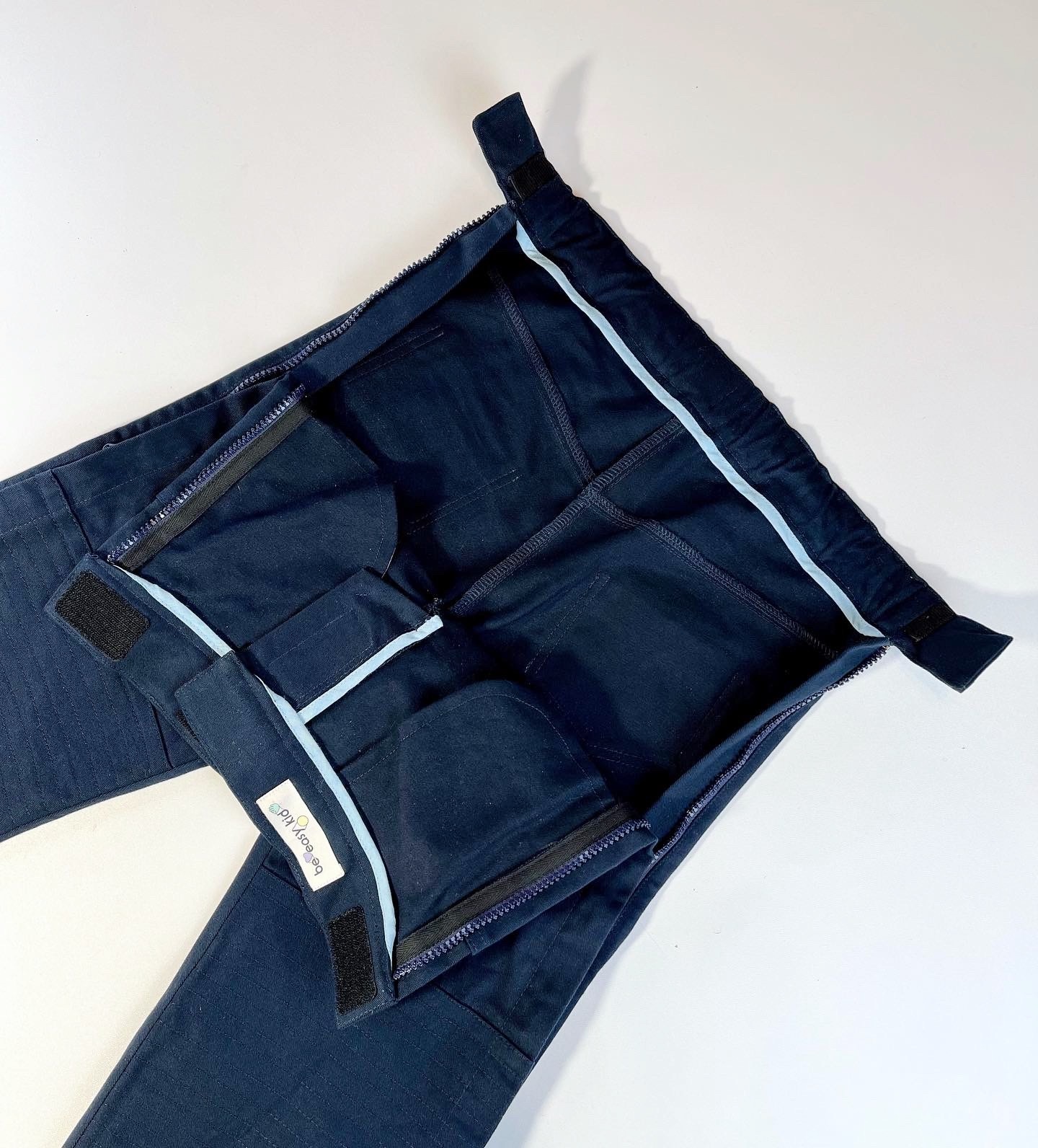
If your child has poor fine motor skills, you should look for pants with an elastic band. To make it more convenient to put them on with spastic hands, you can sew on the sides of the waist, which the child will cling to and pull on the pants.
Pay attention to the waistband was a tightening elastic band: all children are different, the elastic band will help to adjust the desired volume.
The fit of the pants is preferably high, with such a fit is more comfortable to move, and it also covers underwear or diaper, and does not expose the back, if the child is sitting. Pockets.
If the child is sitting, then choose models of pants without pockets in the back, with prolonged sitting, the pockets can start to chafe. Models of pants with Velcro on the fly can be found here
Pay attention to the waistband was a tightening elastic band: all children are different, the elastic band will help to adjust the desired volume.
The fit of the pants is preferably high, with such a fit is more comfortable to move, and it also covers underwear or diaper, and does not expose the back, if the child is sitting. Pockets.
If the child is sitting, then choose models of pants without pockets in the back, with prolonged sitting, the pockets can start to chafe. Models of pants with Velcro on the fly can be found here
Ensure the waistband features a tightening elastic band; since every child's body is unique, this adjustable feature will help achieve the right fit.
It's advisable to opt for pants with a high waistline. Such a fit not only offers greater comfort during movement but also ensures that underwear or diapers remain covered, preventing back exposure when the child is seated.
It's advisable to opt for pants with a high waistline. Such a fit not only offers greater comfort during movement but also ensures that underwear or diapers remain covered, preventing back exposure when the child is seated.
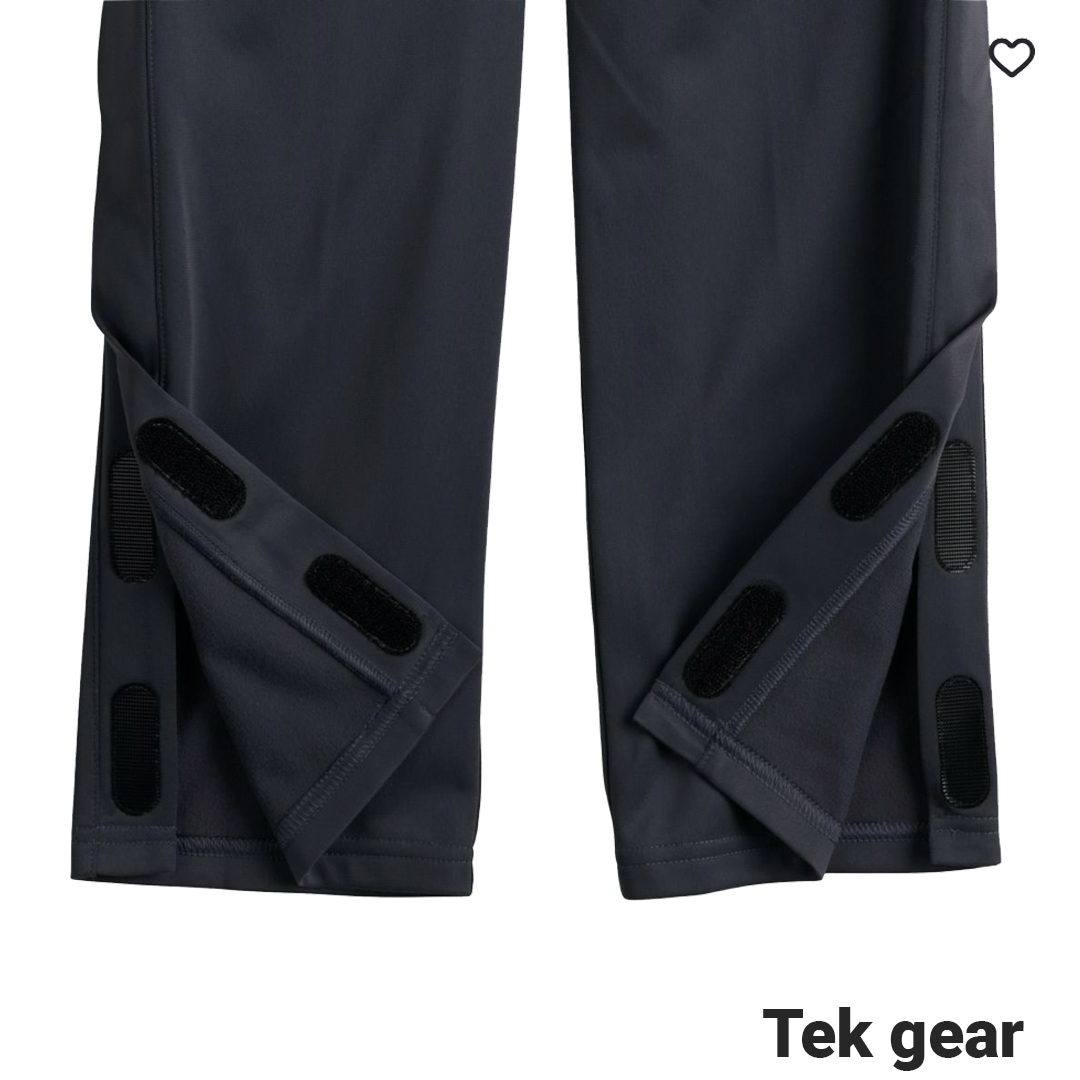
If your child uses a leg brace, select pants that are either wide-legged or have special openings to accommodate the brace. This design simplifies the process of removing or attaching the leg devices.
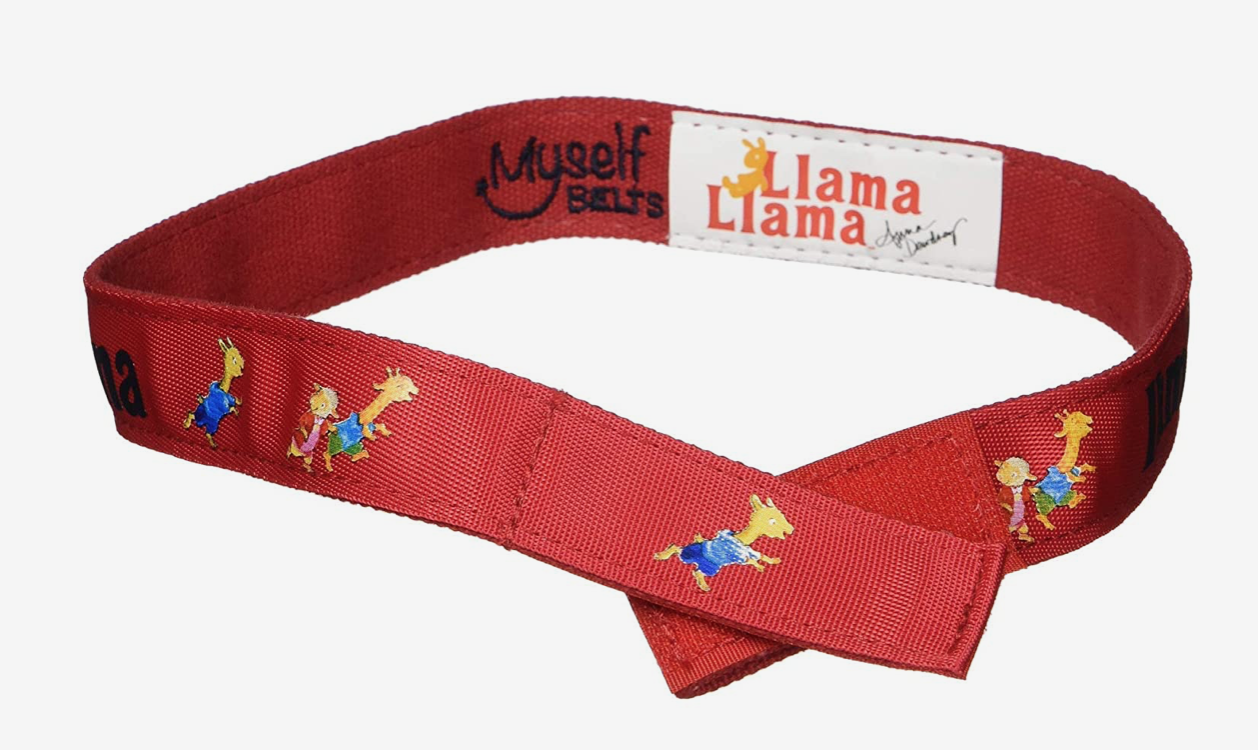
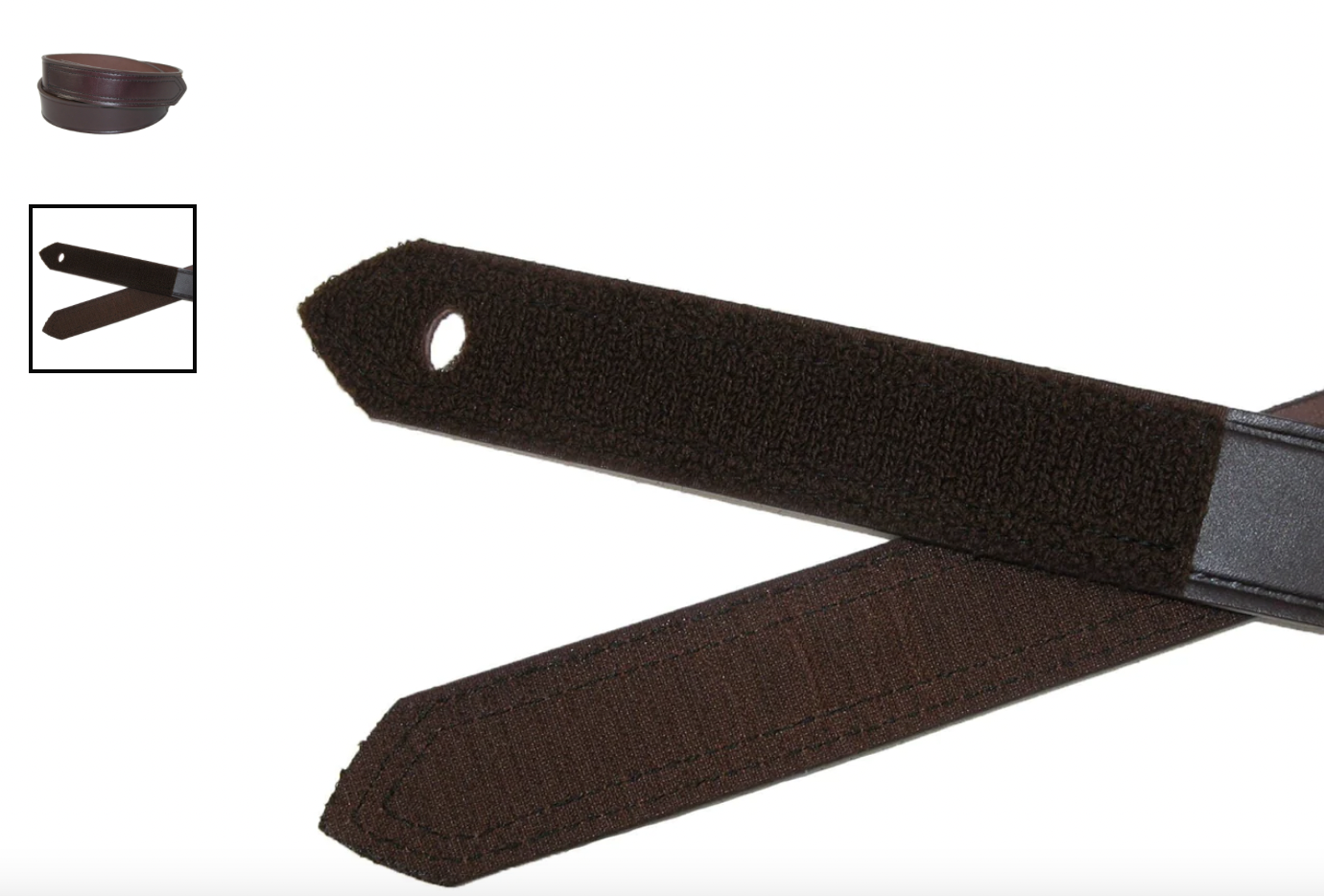
Regarding belts, consider those made with elastic bands. They are convenient as they can be adjusted once and then the pants can be worn without further fussing over the belt. Velcro belts are also a practical option.
Regarding belts, consider those made with elastic bands. They are convenient as they can be adjusted once and then the pants can be worn without further fussing over the belt. Velcro belts are also a practical option.
- Choose pants with an elastic waistband for ease of wear and adjustability.
- For children with spastic hands, sew tabs on the waistband sides for easier grip and pulling up.
- Consider pants with a high waist design for comfort and coverage while seated.
- Avoid rear pockets to prevent discomfort during prolonged sitting.
- Opt for wide-legged pants or those with special access for leg braces. This facilitates the removal and attachment of leg devices.
- Use belts with elastic bands that can be adjusted once for continuous wear without additional adjustments. Velcro belts are also practical.
T-shirts
If the child experiences spasticity in their arms, consider clothing with a dropped shoulder design. A wider armhole will facilitate easier insertion of the arm into the sleeve.
For the neckline, if the child is uncomfortable with narrow necks of T-shirts, seek out models with a magnetic closure on the shoulders. This feature broadens the neckline, making the dressing process more comfortable. Such T-shirts can be purchased from us.
For the neckline, if the child is uncomfortable with narrow necks of T-shirts, seek out models with a magnetic closure on the shoulders. This feature broadens the neckline, making the dressing process more comfortable. Such T-shirts can be purchased from us.
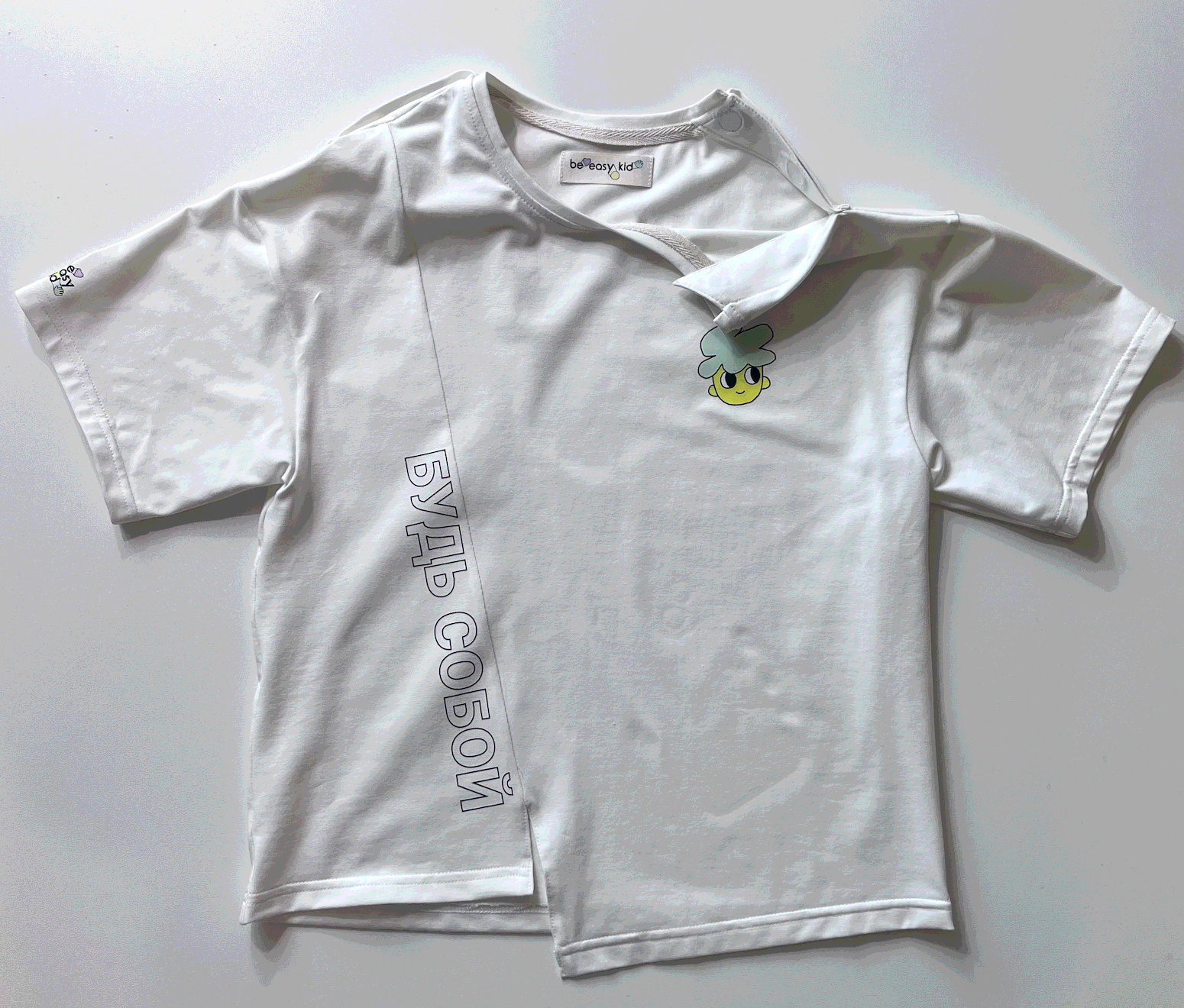
To ease the removal of T-shirts, opt for models with shoulder straps. These straps can be more easily grasped, even with a spastic hand or a prosthesis, allowing the child to pull and remove the T-shirt more effortlessly.
- For children with spastic arms, choose tops with a dropped shoulder and wide armholes.
- Select T-shirts with magnetic closures on the shoulders to expand the neckline.
- Look for T-shirts with shoulder straps for easier removal.
Shirts
If your child has limitations that make buttoning buttons difficult, there's no need to force this task; it can be practiced on simulators. To reduce stress, consider replacing traditional shirts with those featuring magnetic or Velcro closures.
Magnetic/Velcro clasps are user-friendly for hands with limited motor skills or for those using prostheses. This allows the child to unbutton the shirt independently, boosting their self-confidence.
Magnetic/Velcro clasps are user-friendly for hands with limited motor skills or for those using prostheses. This allows the child to unbutton the shirt independently, boosting their self-confidence.
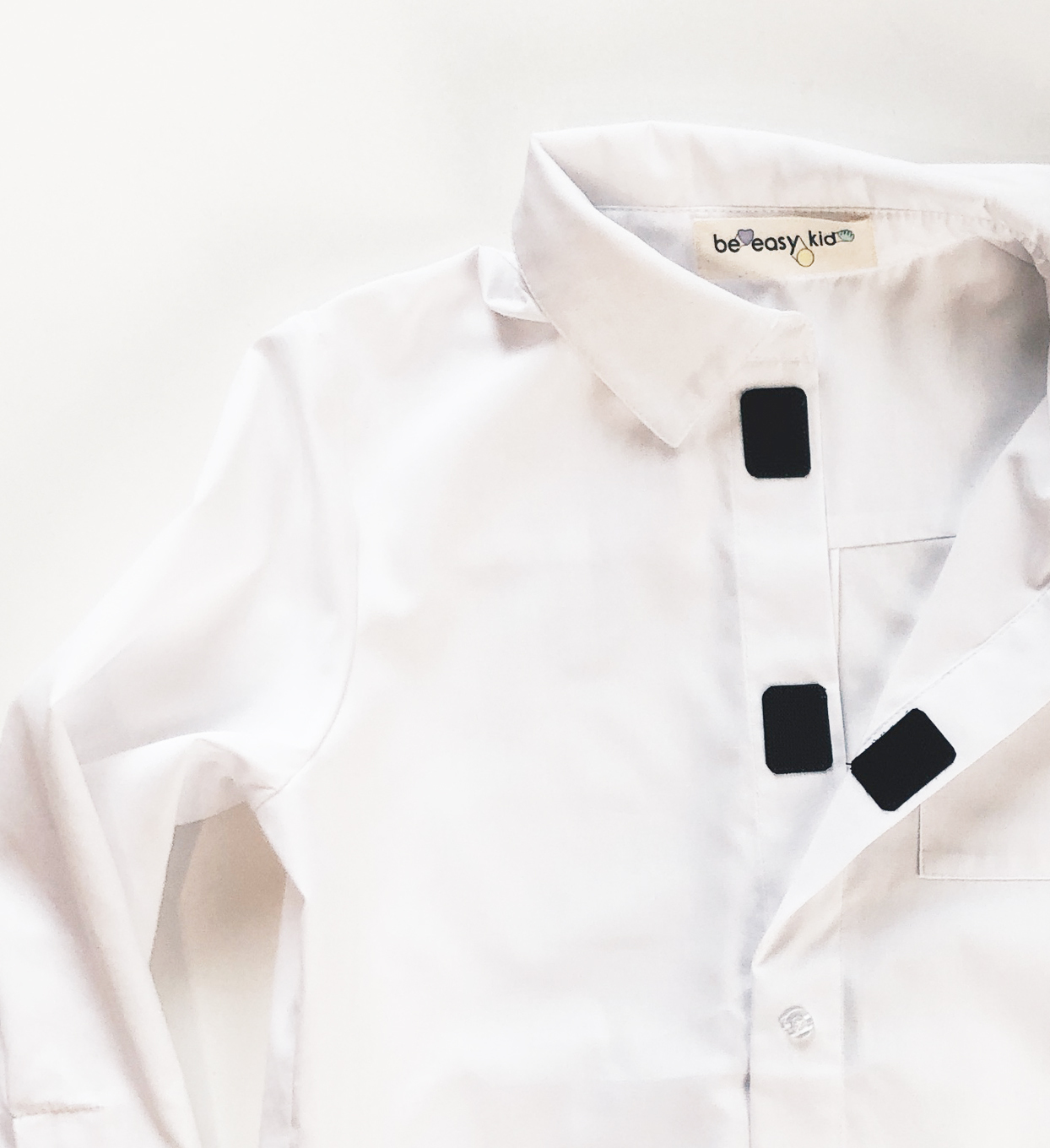
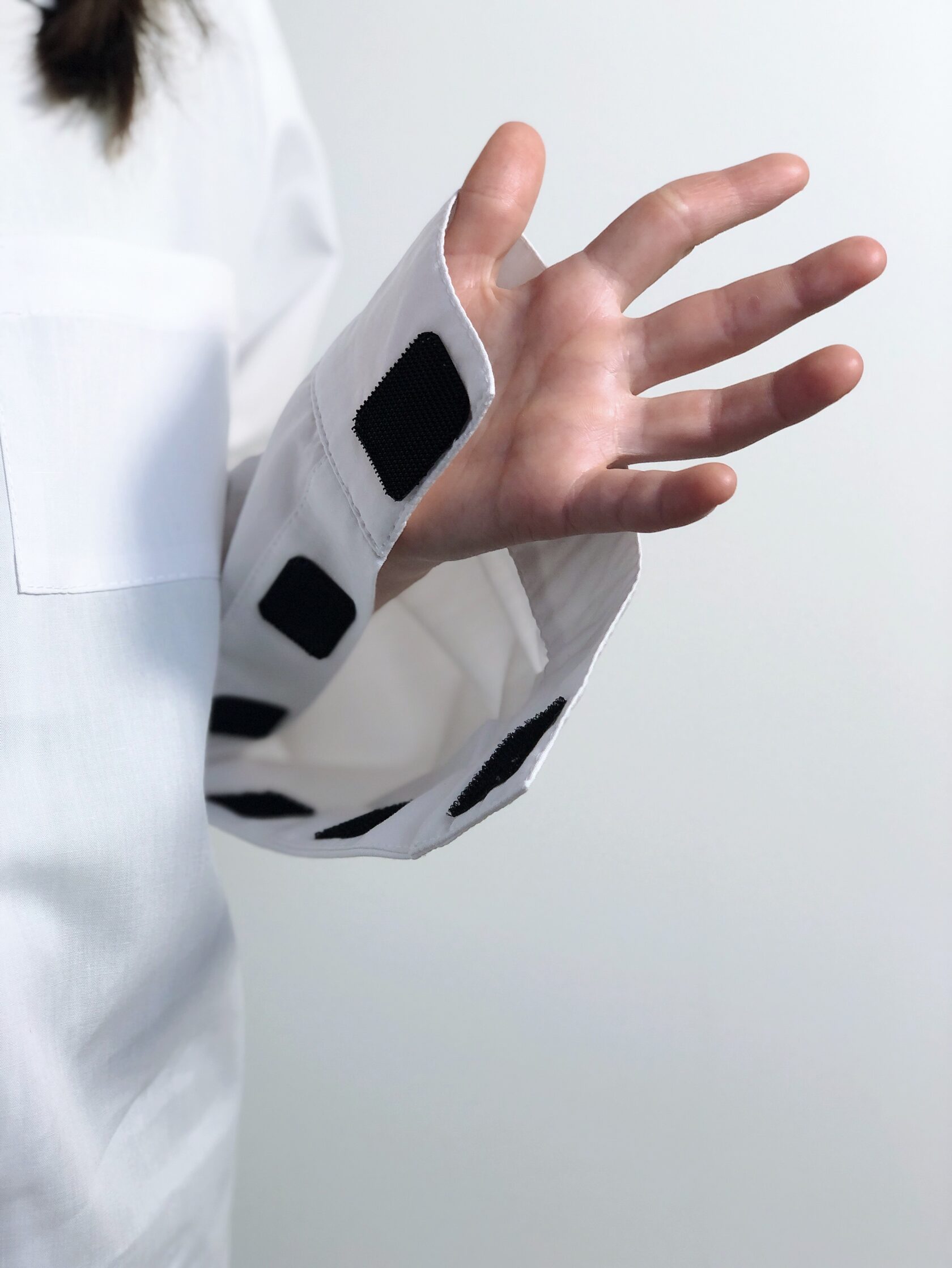
Pay attention to the design of sleeves and cuffs. For children wearing arm aids, cuffs should be wider than usual and should ideally have Velcro instead of buttons. It's beneficial if the sleeve can unbutton up to the elbow, as this makes it easier to wear shirts over the aids and simplifies sliding the arm into the sleeve.
- If buttoning is difficult, practice this skill on simulators. Use shirts with magnetic or Velcro closures to alleviate stress.
- Ensure sleeves and cuffs are wider for those wearing arm aids, and prefer Velcro over buttons. Sleeves that unbutton up to the elbow are beneficial.
Zippers
Initiating the zipping process involves aligning the two sides of the garment with both hands, a task that can be challenging even if one hand isn't fully functional. It's important to consider special devices designed to assist with this task.
For improved grip on the puller, consider utilizing large rings:
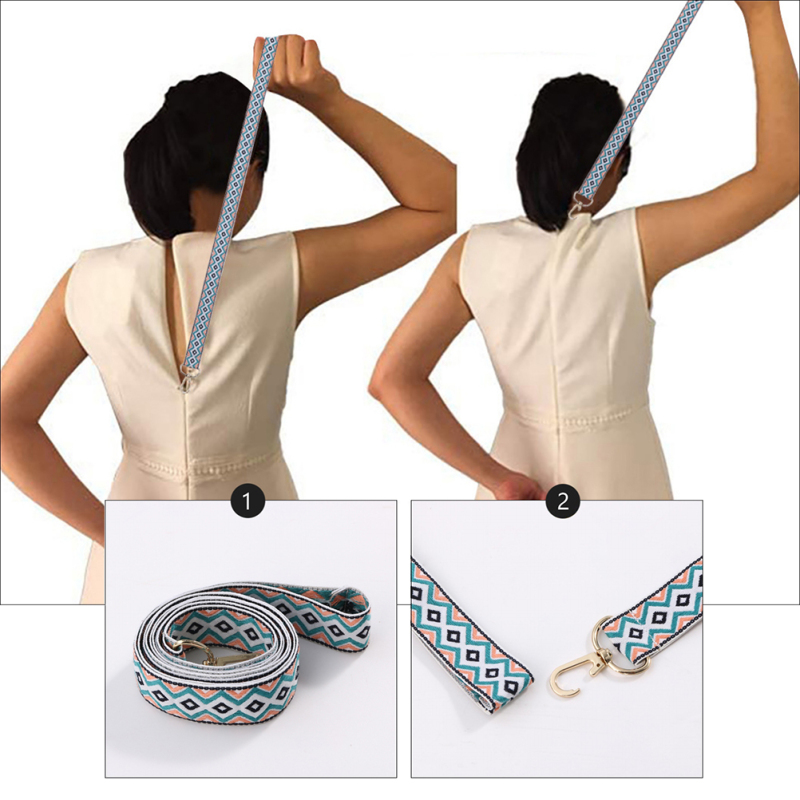
- Understand that joining the two sides of a product for zipping can be challenging. Look into special devices designed to assist with this.
This manual aims to alleviate some of the challenges faced by parents and caregivers of children with special needs. By choosing adaptive clothing options and utilizing helpful devices, dressing can become a more manageable and positive experience for both the child and the caregiver.